NY ALT Episode 115
By Sarah Kuhns, Aug 14, 2026
Lunchtime Webinar | Building the Team Behind the Returns: Talent and Operating Decisions That Institutionalize a Firm ($1B–$5B)
Scaling from $1 billion to $5 billion is not a capital story. It is a people story and an operating story.
Most managers assume institutionalization arrives with AUM. This panel argues the opposite: the dollars are not the variable, complexity is. Product proliferation, a more demanding LP base, and an expanding regulatory surface turn the shortcuts you survived at $300 million into redemption triggers at $3 billion. In this episode, three operators who have built firms from the inside, spun out from scratch, and placed the talent that holds it all together break down exactly what to build in-house versus outsource, when to hire versus develop, how to pass allocator operational due diligence without overbuilding, and the one test that separates an institutional firm from a firm that simply got bigger.
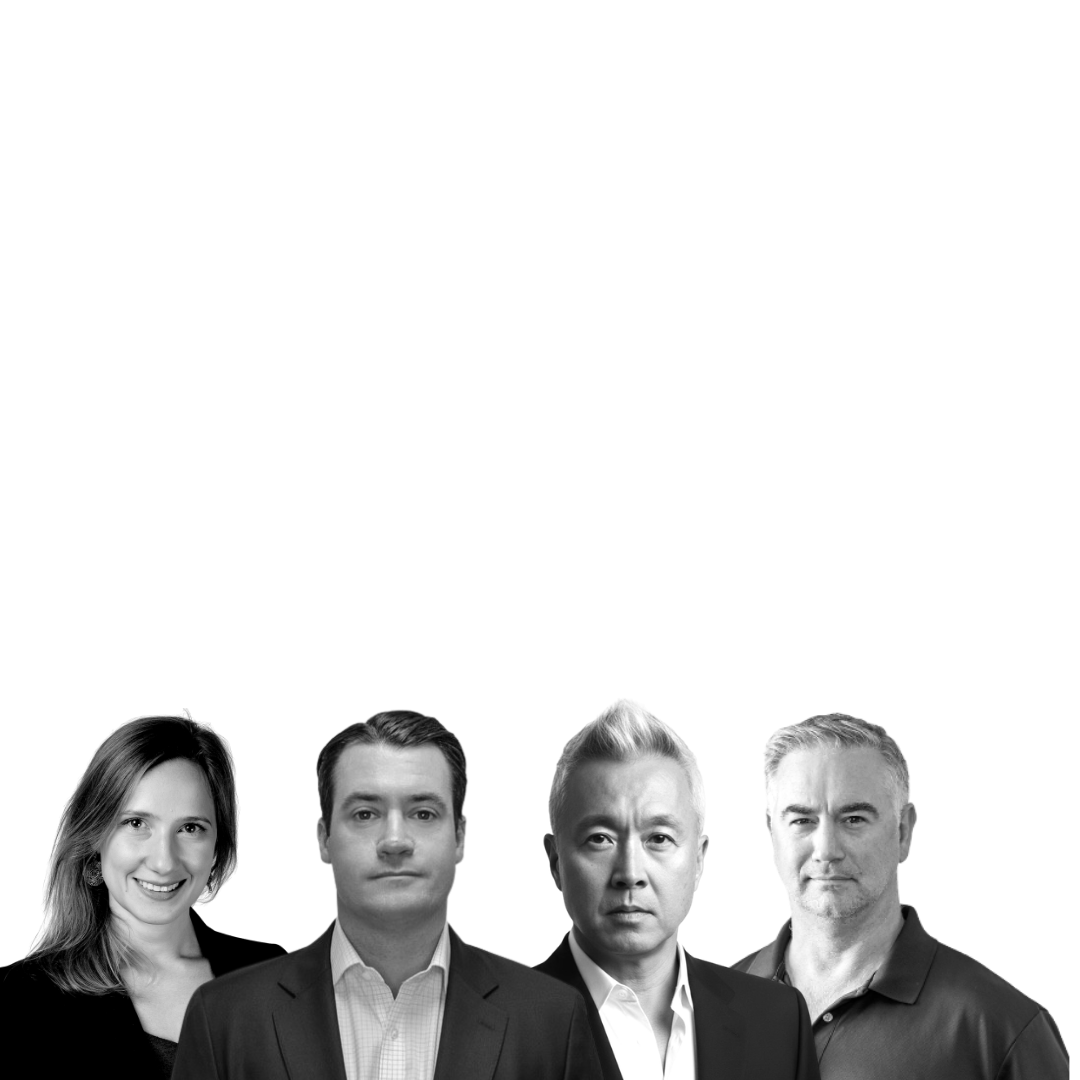
Featured Guests
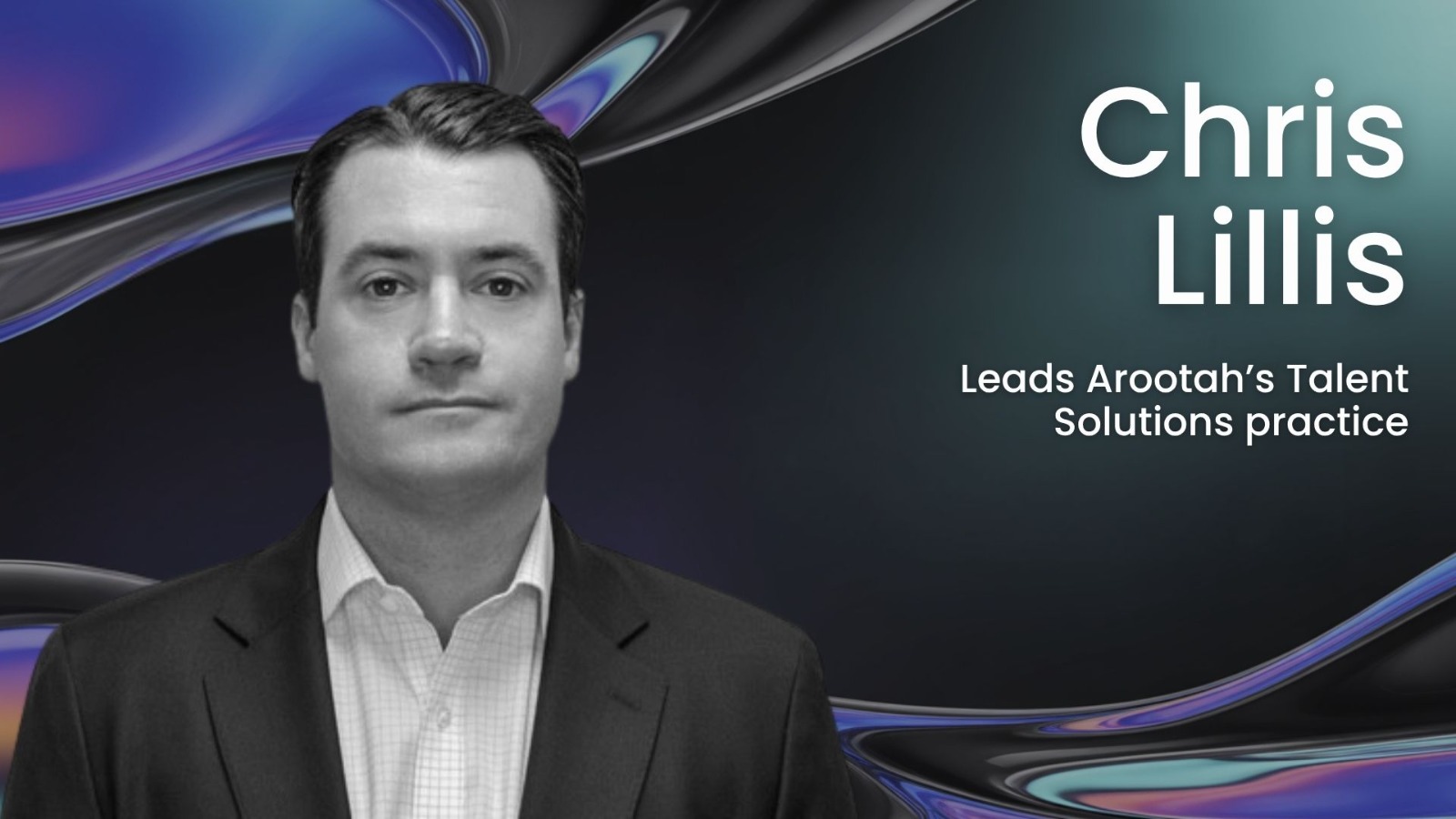
Chris Lillis
Leads Arootah’s Talent Solutions practice
Chris Lillis leads Arootah’s Talent Solutions practice, partnering with alternative investment firms to design and execute high-impact recruiting strategies. He brings deep experience placing senior talent across asset management, investment banking, and quantitative finance, with prior leadership roles at Jackson Lucas, PJT Partners, Two Sigma, and UBS. Chris is known for aligning hiring decisions with firmwide strategy, growth objectives, and long-term performance.
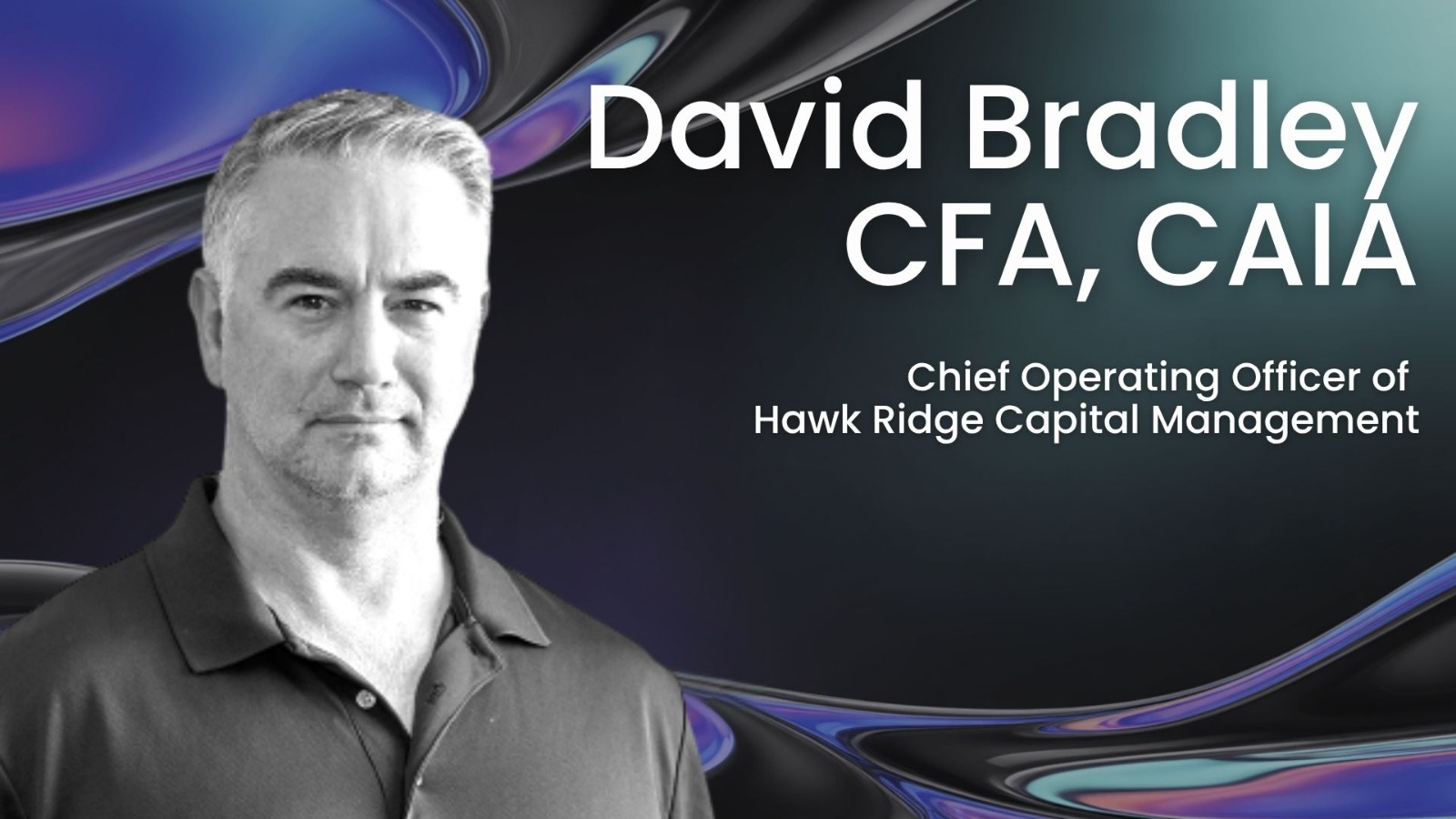
David Bradley
Chief Operating Officer of Hawk Ridge Capital Management
David Bradley, CFA, CAIA has served as the Chief Operating Officer of Hawk Ridge Capital Management since November 2013. Earlier in his career, David was COO/CFO/CCO for 8 years at Sirius Advisors LLC, an SEC and California registered investment firm which managed $500 million in health care equities for the Bill and Melinda Gates Foundation and later ran a long/short equity hedge fund. David graduated from Claremont McKenna College.
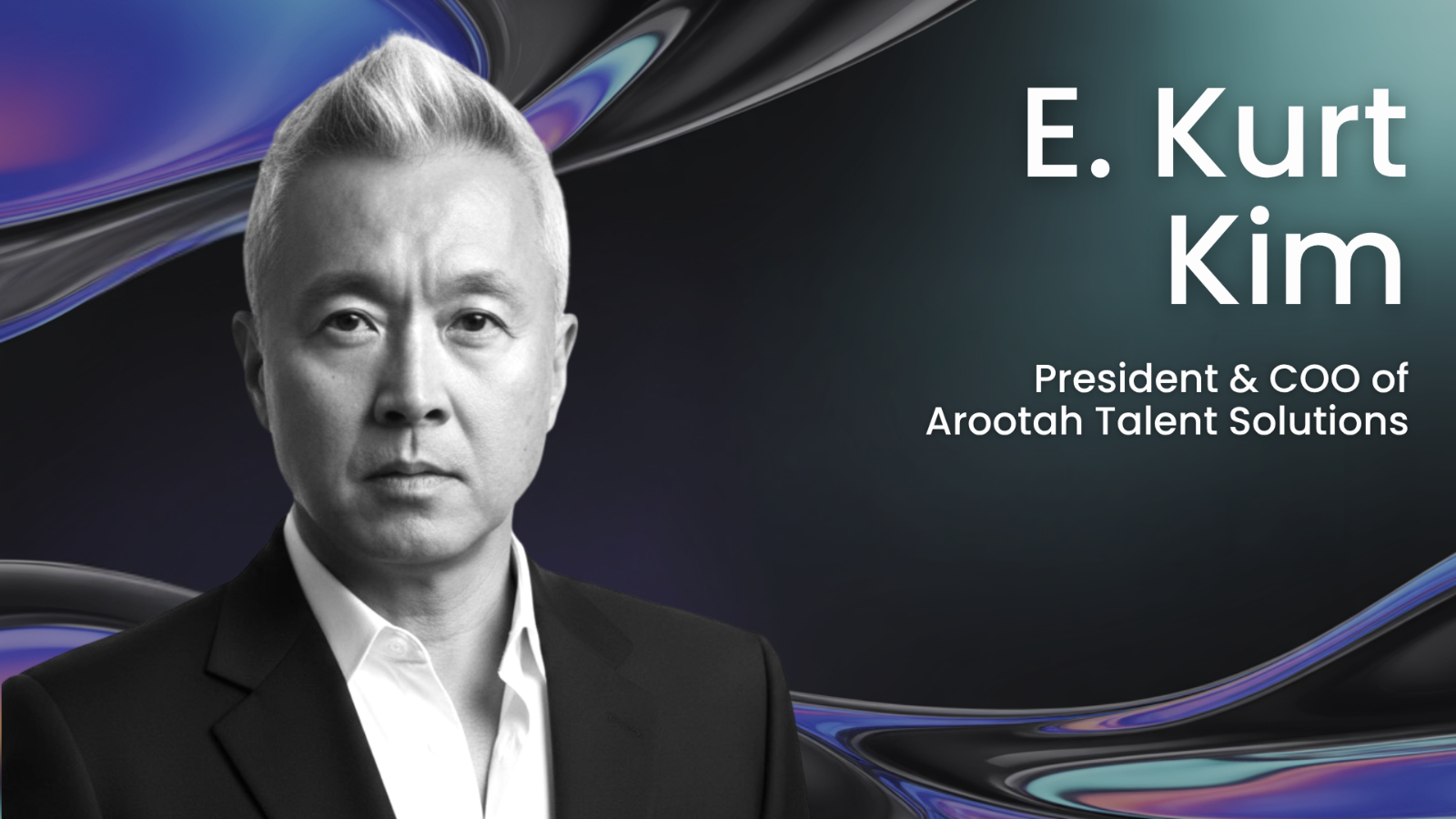
E. Kurt Kim
President & COO of Arootah Talent Solutions
E. Kurt Kim is President & COO of Arootah Talent Solutions, where he leads strategy development, execution of growth initiatives, and firmwide operations. Over more than 25 years, he has played a central role in building and operating a multi-strategy credit hedge fund complex and a FINRA-registered broker-dealer, and has founded and successfully exited an award-winning fintech platform.
This diverse, hands-on experience gives Kurt a rare, end-to-end perspective across entrepreneurship and institutional operations. He is known for pairing a founder’s mindset with disciplined operating rigor to help alternative investment firms scale responsibly and deliver sustained long-term performance.
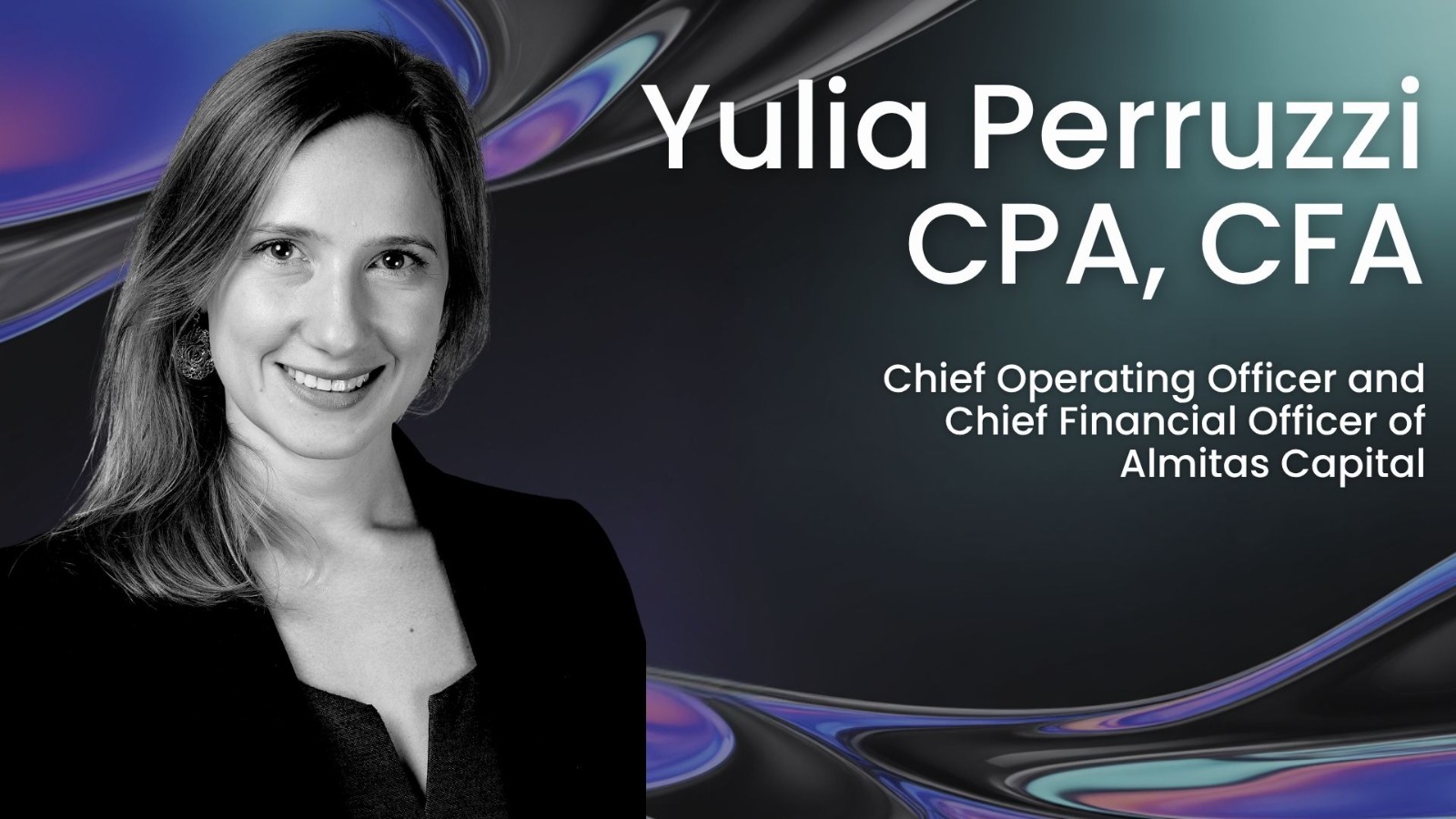
Yulia Perruzzi, CPA, CFA
Chief Operating Officer and Chief Financial Officer of Almitas Capital
An SEC-registered investment manager based in Santa Monica with $800m+ in AUM. Earlier in her career, Yulia was COO, CFO, and CCO of Caden Capital Partners, a spin-out from MSD Partners, and also served as CFO, CCO, and Managing Director at Sepio Capital ($5b+ AUM). She began in fund operations in controller roles at Partner Fund Management ($5b+ AUM) and Bridger Capital ($2b AUM)
Key Insights From This Episode
Institutional is a test, not a threshold.
All three panelists converged on the same single question: would this process survive the person who runs it walking out the door? Headcount is not the answer, and neither is AUM. As Chris Lillis put it, a firm is institutional when the org chart actually describes something real.
Complexity is the variable, not the dollars.
Being one deep in a key seat is a footnote at $300 million and a potential redemption trigger at $3 billion. Size correlates with institutionalization, but product proliferation, LP sophistication and regulatory surface area are what actually force the build.
Founders do not outgrow their people. They outgrow the structure.
You can hire perfectly into a model you have already outgrown and all you have done is add cost. Before running a search, define why the role exists, what decisions the person owns, and what the three-to-five year runway looks like. If the firm cannot answer that, recruiting is not the bottleneck, definition is.
Beware the hero hire. The bench usually breaks one layer below the C-suite.
The instinct to import the most senior executive from the largest brand feels safe, but the best executive cannot succeed inside an operating model that is not ready for them. Growing firms need builders, not inheritors, which often means the hire one level down, or a second-time CFO who has already lived the journey.
Outsourcing is a question of accountability, not location.
Treat providers as an extension of the team, but keep someone inside the firm who owns the program and can answer for it. Cash movement control and final sign-off on the books stay in-house, because the nuance of an underlying position is nearly impossible to catch from the outside.
Allocators test consistency and rationale, far more than documentation.
The fastest way to damage a diligence meeting is to have three functions tell the same story three different ways. What passes is a team that can explain why a control exists and how risk is actually mitigated day to day, not a beautiful binder no one in the firm can describe.
Spend on load-bearing, not visible.
As Yulia Perruzzi observed, wasted money is almost always spent on what allocators can see rather than what actually carries weight. Buying a system before fixing the process is the most common and most expensive version of that mistake.
Access the Full Conversation
This is the operating playbook that rarely gets written down, because the people who know it are too busy running the firms. Across a full hour, the panel works through the decisions that determine whether the next $4 billion arrives with the infrastructure to hold it: the controller-versus-CFO sequencing question, when fractional leadership builds capability versus when it simply defers a decision, how to develop a first-time manager without dropping the boulder, what allocators ask that nobody prepares for, and how to have the hardest conversation of all, the one with the person already on your payroll who may or may not grow into the seat you need next.
Access the full audio and download the custom insights deck, a distilled reference you can bring straight into your next partner meeting, ODD prep session, or hiring committee. For CFOs, COOs, CCOs, allocators and founders operating in the $500 million to $5 billion band, this is the conversation to have before your next diligence meeting rather than after it.
Soundbites Worth Saving
“Would this process survive the person who runs it walking out of the door?”
— Yulia Perruzzi
“If we found you the perfect candidate today, who inside your organization is going to be disappointed?”
— Chris Lillis
“So many of these things are kind of like Indiana Jones trying to steal the idol with the bag of sand. You have to transition things nice and slowly. If you do it wrong, the big boulder comes and squashes you.”
— David S. Bradley
Shape the Future of Alternatives With Us
The New York Alternative Investment Roundtable brings together the brightest minds in finance—Nobel laureates, industry disruptors, Fortune 1000 executives, and leading fund managers. By joining as a member, you gain access to premium events, exclusive insights from our podcasts, and direct connections with the decision-makers shaping global markets.
Your seat at the table is waiting.
GET IN TOUCH:
© 2026 New York Alternative Investment Roundtable | Privacy Policy | Terms and Conditions